This true story comes to reflect the spirit of overcoming human beings facing the difficulties that arise in life. You may be wondering what is the relation with our fans… Well, a lot! Not even the most serious illness stops man/woman’s will to fulfill his/her dreams and entertainment. Parkinson’s and modeling can also go hand in hand, although it is hopelessly and unfortunately trembling. Christopher Columbus, with his efforts, discovered America. Our dear modeler friend Frédéric Lavoine, with his passion, has conquered something more important: all our hearts.
It’s been almost two years without him being able to work in the beautiful profession of school driver that he left because of this terrible disease. Too many risks. He was 54 and a half years old when the doctors diagnosed it, but it seems that eighteen months earlier it began to knock on his door warning him of its presence.
What is Parkinson’s disease and how does it affect daily life?
Well, Parkinson’s isn’t one of those diseases that appears overnight. It comes on gradually, with small signs that are almost imperceptible at first. What happens in the brain is that the neurons that produce dopamine—which is the messenger that coordinates movement—begin to deteriorate. And when that happens, the body starts to go haywire, so to speak. Of course, today we know much more than before about how to manage it, and many people lead very dignified and active lives with this diagnosis.
Main symptoms of Parkinson’s
What everyone knows about is the tremor. But be careful, because it’s not just any tremor, it’s one that appears precisely when the hand is still, at rest, and often disappears when it is used. Curious, right? Then there is muscle stiffness, that feeling that the body does not respond as quickly as before, and movements that become slower and clumsier. Sometimes the voice also changes, sleep becomes difficult, or balance begins to fail. And what must be understood is that no two cases are the same: each person experiences it in their own way.
Impact on fine motor skills and coordination
And here comes what really affects everyday life. Because it’s one thing to know you have Parkinson’s, and quite another when suddenly buttoning your shirt becomes a challenge. Or when writing a text message takes twice as long. Or when cutting your food no longer comes naturally. Those small gestures that we used to do without thinking—on total autopilot—suddenly require effort. The connection between what the brain commands and what the hand executes becomes entangled, and that, let’s be honest, can be very frustrating.
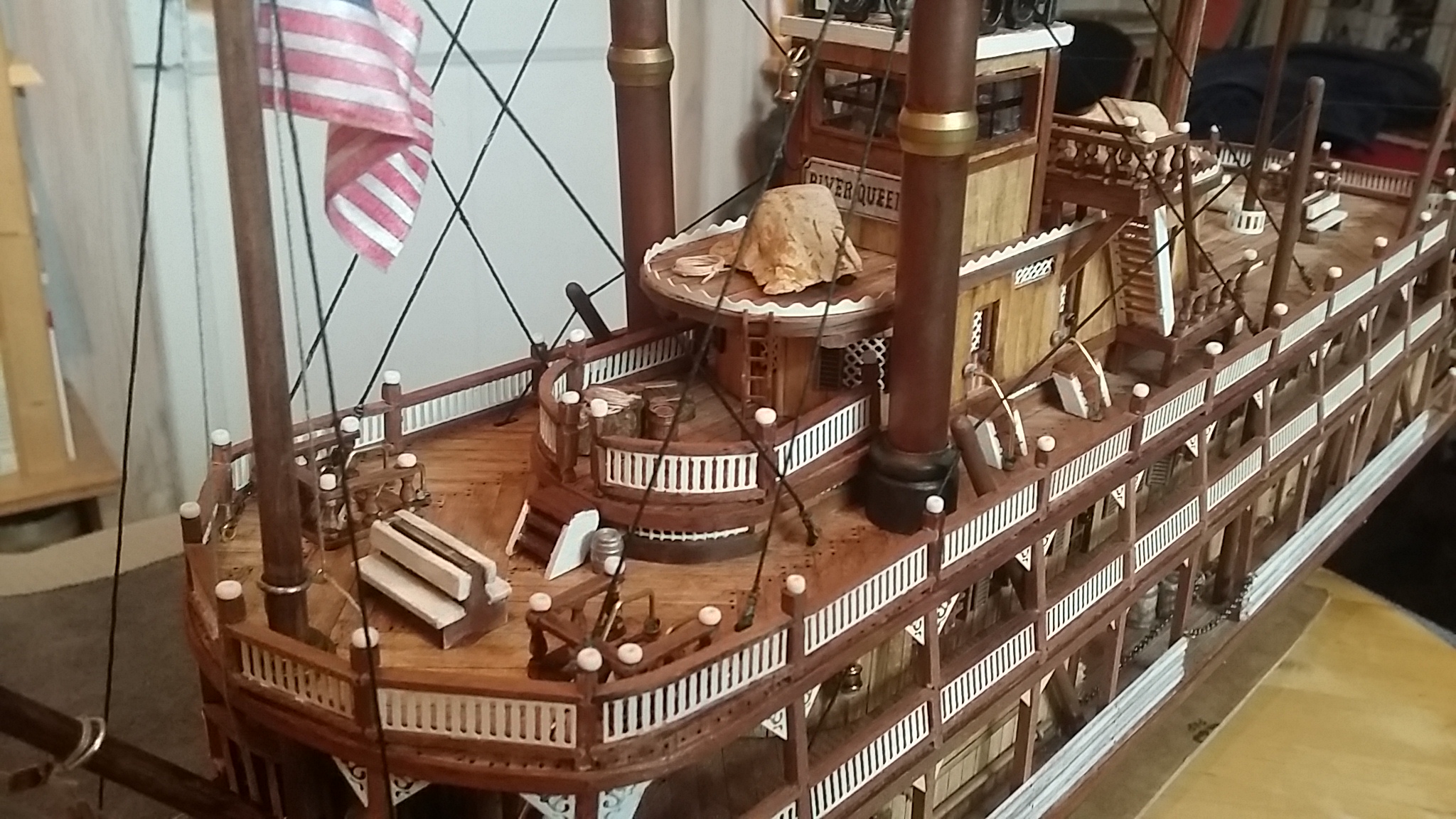
Parkinson’s and modeling: Frédéric, the real McGyver of our time
Frédéric was brilliant at his job, and among people with disabilities and reduced mobility. Furthermore, he could never imagine that his “future working life would be reduced to the list of problems and difficulties caused by Parkinson’s”, assures our friend, who also emphasizes that he was “an active person with resources”, even his wife calls him McGyver after the famous television series in which the protagonist finds practical solutions to any problem. Without egocentrism, Frédéric is a “passionate lover of manual well done labor”, he says. Of course, he recognizes that the only thing that resists him is mechanics.
With all the pending things he has to do and now he can’t because he’s not able to deploy all his ‘superpowers’… A big disappointment for him. Frédéric’s world falls on him, a moving yo-yo in comparison to the perpetual activity of our friend. Painting a picture, reforming the cabin, restoring a piece of furniture, taking care of the garden… All that is over.
It is the moment in which Frédéric decides to take another course to continue being our particular McGyver. With this cold winter coming up where you spend a lot of time at home, you have to keep yourself busy. It is true that he was discouraged by the tremors of his hand and by the blockages of his joints. Medical treatments cannot give him a complete cure: “I didn’t want to draw or write in my book, I was stuck on the blank page”, says Frédéric. The ‘beast’ in the cage will start roaring at his wife and daughter, who encourage him to keep his hands busy sewing, which he loves. But it is not enough for him, so the memories of his childhood and his solidarity actions make him consider returning to modeling.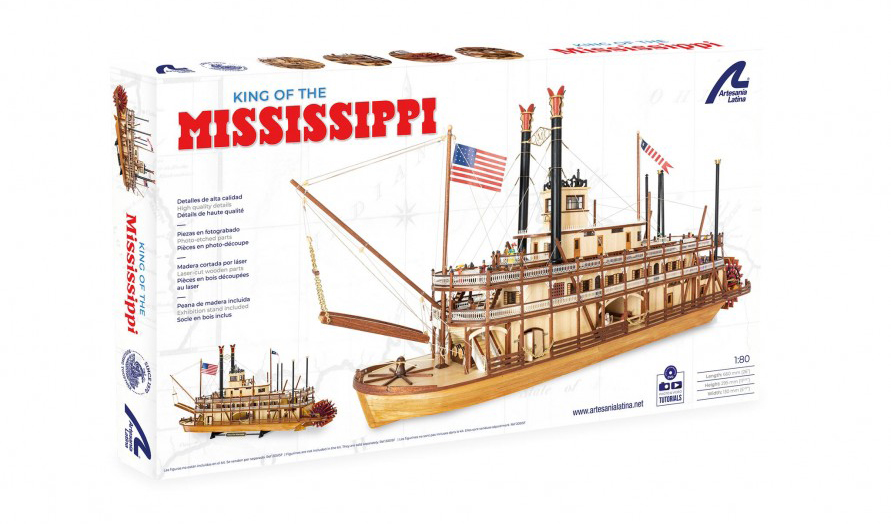
Parkinson’s and modeling: his new challenge, build wooden model ships
“Build models with modeling instead of destroying as Parkinson’s does”, emphasizes Frédéric. That is their motto. Parkinson’s and modeling necessarily go hand in hand in his current life, but the passion for model building becomes his particular fight and his leisure against this serious disease. Our friend remembers that building “model ships, planes and cars was a true passion forty years ago”.
Of course, doubts about his ability to develop this hobby plague him: “Will I still be able to model, glue or paint such small parts?, he wonders. To which he answers that it will be his new challenge and that, to “complicate it even more”, he will assemble a wooden model ship. Because, for Frédéric and quite rightly, “if it were made of plastic everything is molded and formed, but with a wooden one you have to cut, mold, take time… Anything that is not compatible with Parkinson’s“.
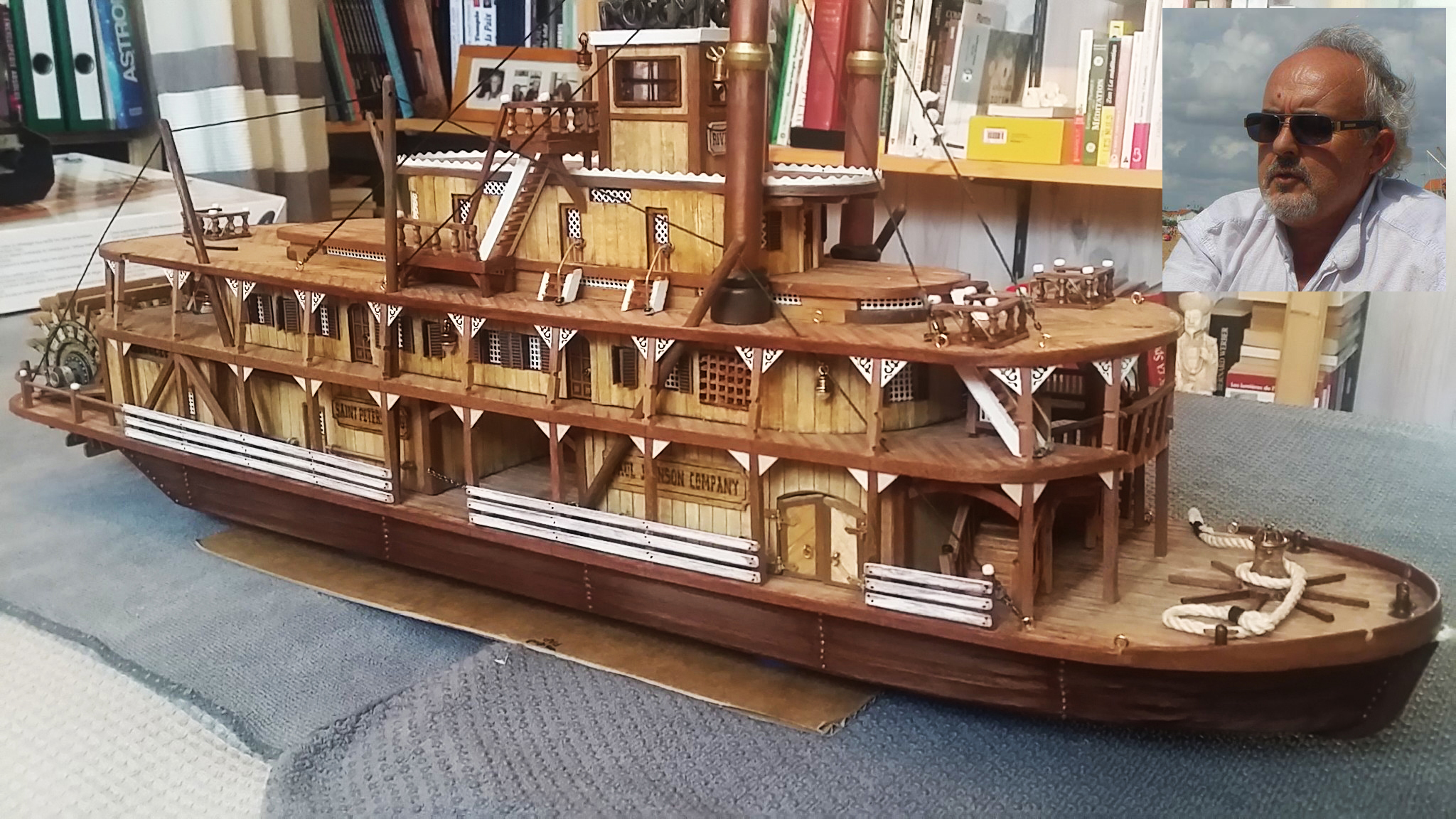
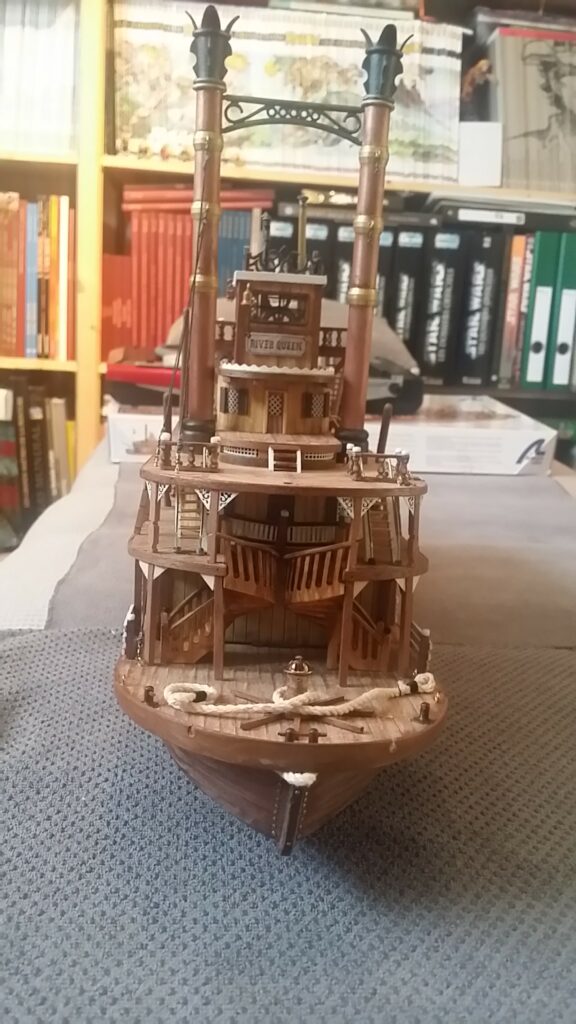
In December 2020, Santa decides to go down his chimney to give him “the magnificent naval modeling kit with the paddle-wheeled steamboat King of the Mississippi“, smiles Frédéric. As if he were a child with a new toy, he decides to quickly ‘inspect’ the contents of the box: “Lots of parts of wood, many small items -too many- and my shaking hand…” , says our friend. For this reason, at first, he leaves aside its assembly. It has to be his relatives who encourage him to start building the model and Fréderic sets up his ‘mini workshop’ at his office, as he describes it.
Since we already know that Frédéric is the McGyver of our time, of course, he doesn’t want to assemble the model “foolishly” following the plans for it. No, for what! :). So take the path of building a unique model, according to his taste. He begins in January 2020 and ends in May of the same year, barely 5 months later, quite an achievement from our point of view. In his own words, building the model is “an enormous pleasure” for him. He dedicates hours and hours to it, “not out of obligation but out of necessity”, he stresses.
Thanks to the King of the Mississippi, he forgets his hand tremor and the rest of his symptoms. This is due to, as Frédéric says, “the meticulousness and slowness of the tasks that the hobby requires”. Parkinson’s ‘disappears’ and modeling resurfaces after more than four decades buried. What’s more, these modeling demands act on Frédéric as “relaxing for the spirit”, exclaims our friend, who also asserts that, in this way, he recovers “harmony between body and mind”. What conclusion do you reach? That modeling is fully compatible with Parkinson’s.
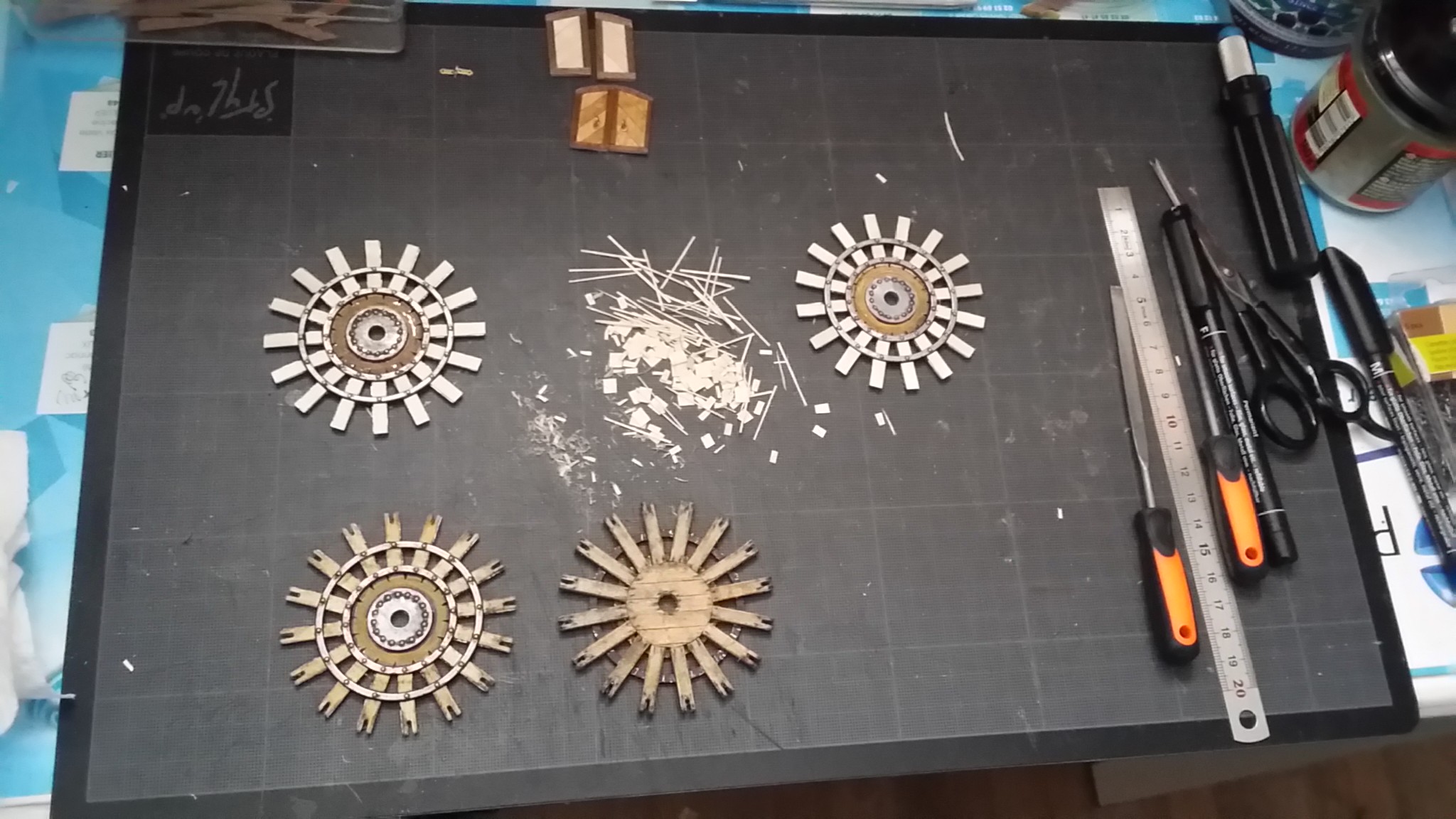
Benefits of model making for people with Parkinson’s
Okay, I know what you’re thinking—model making? Seriously? Well, yes, seriously. Because what seems like a lifelong hobby hides some pretty interesting therapeutic potential for people with Parkinson’s. We’re not talking about replacing any treatment, let’s be clear. But as a complement, it makes a lot more sense than it seems at first glance.
Improved fine motor skills
Imagine trying to fit a tiny piece together with your fingers, or making a fine, controlled brushstroke on a surface measuring two centimeters. It’s not easy for anyone, and for someone with Parkinson’s it takes even more effort. But that’s precisely the key — that repeated effort, with a clear goal in mind, is exactly the kind of practice that helps maintain fine motor skills. Occupational therapy has long relied on purposeful manual activities because they work better than abstract exercises. Hands learn by doing real things.
Cognitive stimulation and concentration
But what’s more, building a model isn’t just a matter of using your hands. While you’re there with your pieces, your mind is constantly working: you’re reading instructions, deciding what goes first, figuring out when something doesn’t fit as it should, choosing colors… It’s a continuous and quite demanding mental exercise, without seeming like one. And for someone with Parkinson’s, that’s pure gold—keeping your concentration active helps strengthen neural connections and combat the mental fog that sometimes accompanies the disease. In other words, it entertains and trains at the same time. It’s hard to ask for more.
Emotional benefits and self-esteem
And then there is something that is not talked about as much but is just as important—what model making does inside, emotionally. Because when you have Parkinson’s, there are times when you feel that your body no longer obeys you as it used to, and that takes its toll. Your self-esteem suffers, frustration sets in, and sometimes isolation. Well, finishing a model—no matter how small—sends a very powerful message to your brain: I can do it. And that’s worth a lot. What’s more, it’s an activity you can share, which generates conversation and connects you with other people. That’s no small thing when it comes to emotional well-being.
Why ship modeling is ideal as therapy
Of all types of modeling, ship modeling has something special. Perhaps it is the patience it requires, or the meticulous details involved, or simply that there is something about a well-finished ship that conveys calm. The fact is that it is particularly well suited as a therapeutic activity for people with Parkinson’s, and this is no coincidence.
Structured and progressive activity
One of the good things about model shipbuilding is that it has a natural order. There are steps, there is a logical sequence, there is a beginning and an end. And that, for someone with Parkinson’s, is a gift—because the structure helps them to organize themselves, not to get overwhelmed, and to move forward at their own pace without feeling that everything is chaos. In addition, the kits come in different levels of difficulty, so you can start with something simple and raise the bar as you feel more confident. No rush.
Working with different textures and materials
Wood, rope, sailcloth, small metal parts… model shipbuilding exposes your hands to a whole host of different textures and materials. And from a sensory and motor stimulation point of view, that’s fantastic. Each material requires a different response from the fingers—a different pressure, a different grip—and that keeps the hands active and alert in a very varied way. It’s almost like training without seeming like it.
Sense of accomplishment and purpose
There is something very special about the moment when you place the last piece and lean back to see the result. That moment exists in ship modeling, and it is powerful. Having a project on your hands—something that grows little by little, that takes shape with your effort—gives a sense of purpose that is difficult to achieve with other activities. And for someone dealing with a chronic illness, having that purpose every day makes a real difference.
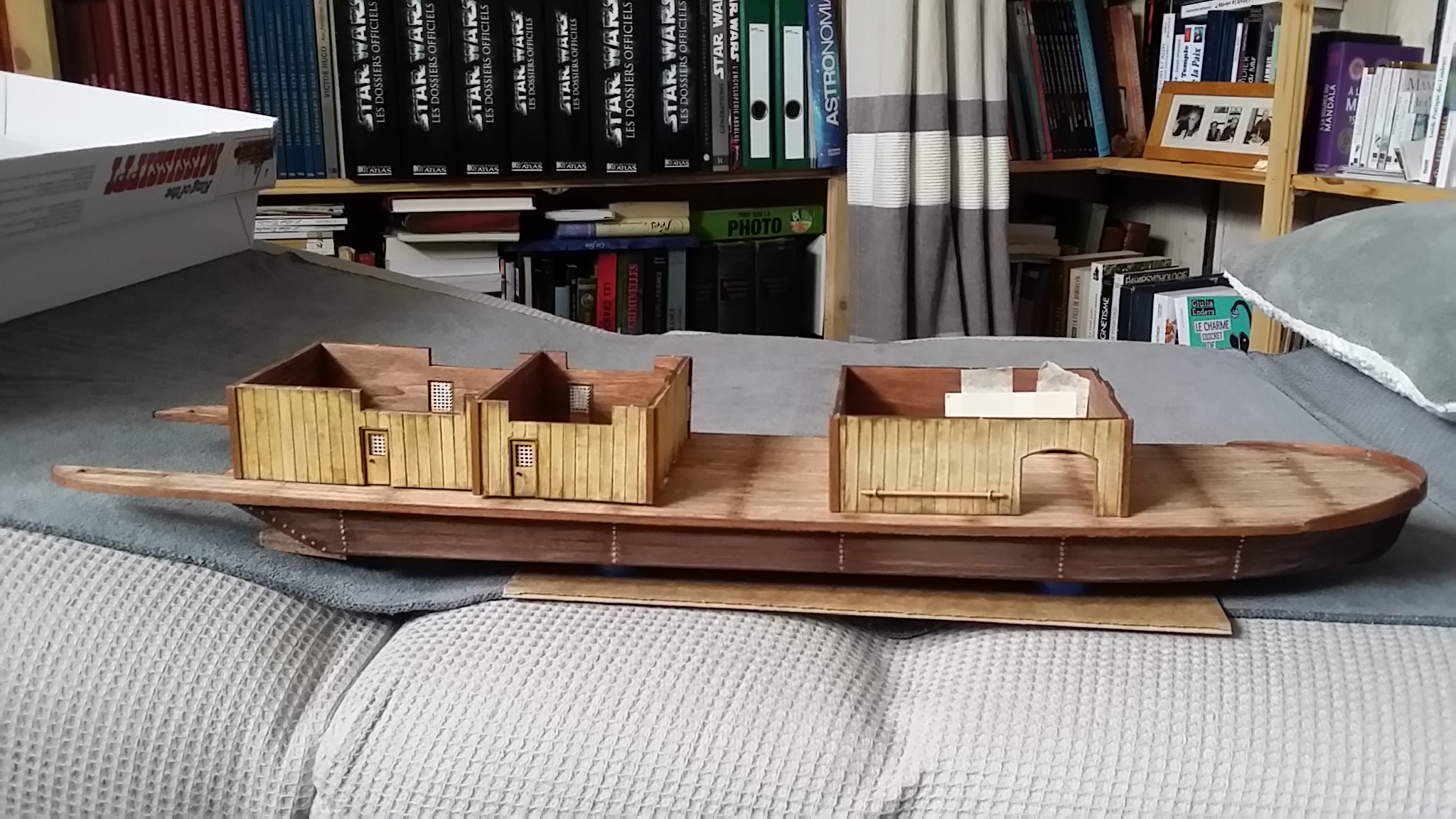
Tips for getting started with model making if you have Parkinson’s
If you’re thinking about giving model making a try—whether for yourself or someone close to you—here are some practical tips to get you started on the right foot and avoid unnecessary frustration.
Choose models that are suitable for beginners
The most common mistake is to start with something too complicated. And of course, if your first experiences are frustrating, you’ll give up. The ideal thing is to start with basic kits, with large, clearly differentiated pieces, clear instructions, and few steps. The goal is not to make something perfect but to enjoy the process. There will be time for bigger challenges later.
Recommended tools and accessories
There are little tricks that can also help: magnifying glasses or an articulated arm with three magnifying glasses free up your hands and help you see details without straining your eyes. Fine-tipped tweezers are much easier to handle than your fingers when working with small pieces. A non-slip surface prevents things from moving while you work. And if gripping is difficult, there are adapted handles for brushes and tools that make life much easier. You don’t have to buy everything at once—you’ll see what helps and what doesn’t as you go along.
Adapted techniques and personal pace
This is perhaps the most important thing of all: there is no rush. Model making has no deadline. If one day your hands are not working well, stop and start again another day. If a session lasts twenty minutes, perfect. If it lasts two hours, that’s fine too. The key is to listen to your body and not fight it. Working in short but regular sessions usually works better than trying to make a lot of progress at once. And if something doesn’t turn out as you expected, it’s okay—it’s part of the process, for everyone.
Parkinson’s patients modeling association needs a place for ceiling
Since he can’t sit still, he creates a modeling association for people with Parkinson’s, including its statutes and internal regulations. He calls it ‘Les Mains Agiles – Club de Modélisme’. Its main objective, very interesting: to share and teach other enthusiasts who suffer from this disease the love for the construction of static models. Frédéric even got to meet with the president of the Vendée France Parkinson’s Committee, Michel Parsy, who approved his initiative.
However, then a setback arises. Frédéric tells him about his difficulties in finding a place and opening a bank account as he is not a professional. Resigned at that moment, he warns us of what we already know: “For a bank and its owner, being disabled, no longer working and having weakened personal income do not give credibility to a president and his association”, he states emphatically.
With Parsy’s encouragement, Frédéric writes an article to present his project to society on social media and on the Inter’Park85 newsletter that belongs to France Parkinson Foundation. On the one hand, he needs a room or premises -a space with a ceiling and walls, in short- of at least 30 square meters. With one or two rooms and access for disabled people. This space must be in the city of La Roche -sur- Yon or its vicinity with a nearby bus service. On the other hand, obviously, he needs elements to equip it with basic materials and tools. Frédéric has ready a list of it.
In February 2022, due to the hieraticism caused by the Covid pandemic period, Fréderic had to dissolve the old association to create a new one under the name of ‘Une Main Vers l’Horizon – Modélisme’. Since then, he has been trying to give life to no avail.
How to contact Frédéric Lavoine?
Modelers Friends around the world and Artesanía Latina friends, let’s help Frédéric to fulfill his dream! No disease can against modeling lovers. In addition, this hobby has beneficial effects on the health of patients. So that the modelers can help him, he have given us an email in which you can ask what he needs that suits each one’s budget. Little by little or if there is a modeler friend with high purchasing power among us… The association for modeling with Parkinson’s must be a reality!
We kindly indicate Frédéric Lavoine email address: [email protected]


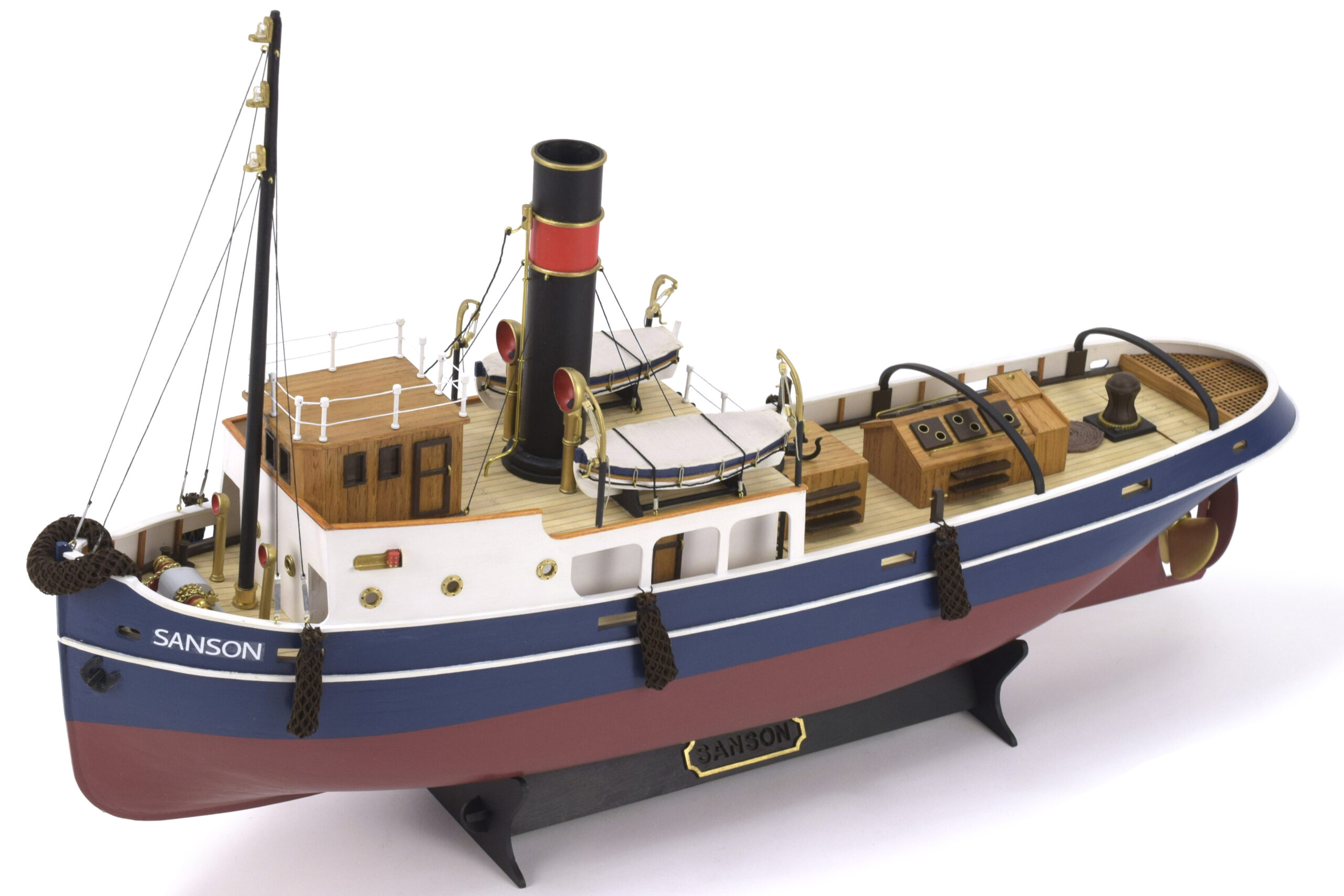
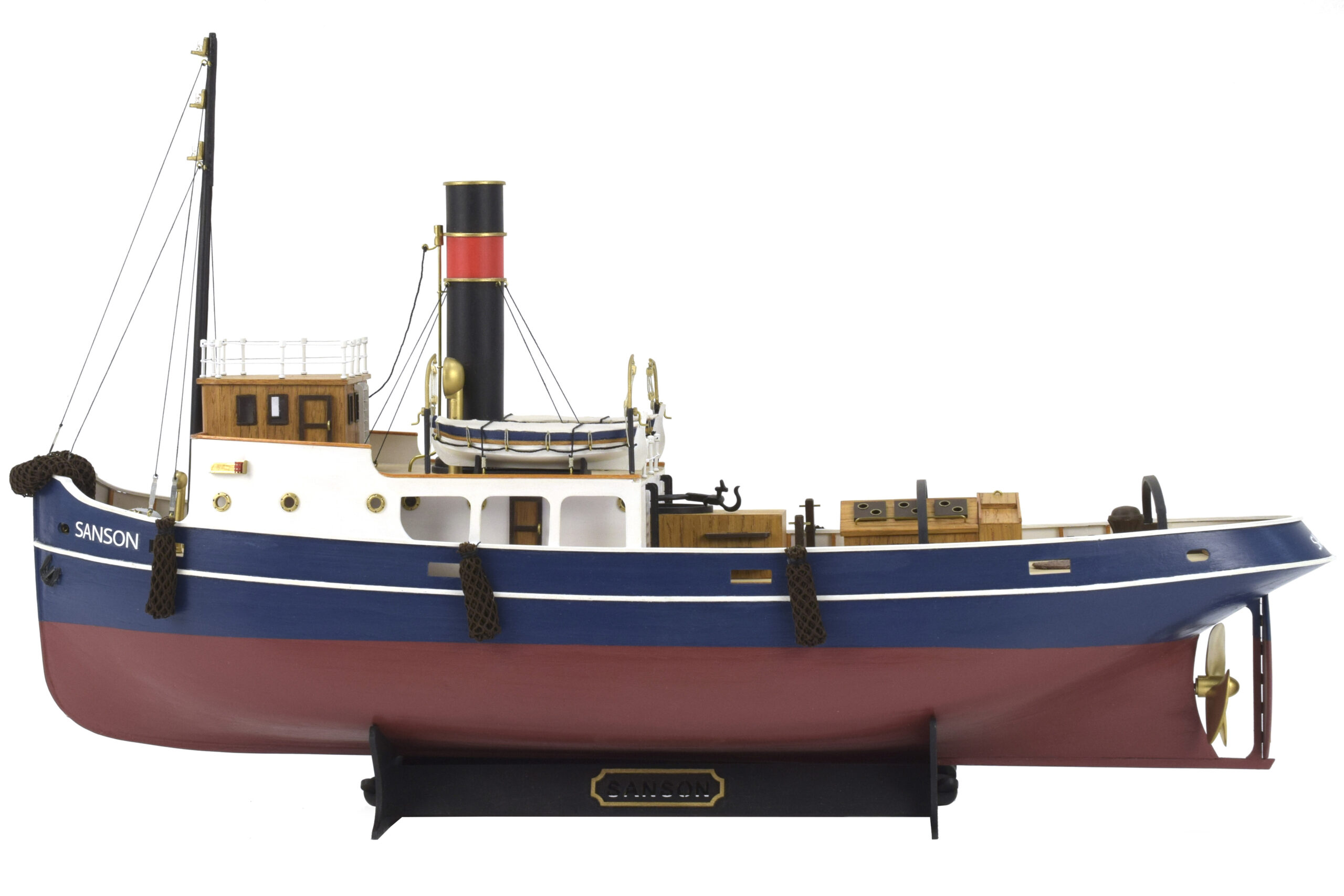 Sanson still is a faithful miniature replica of a tugboat from the 40s of the 20th century. However, its renewed assembly experience makes this boat a delight to build. The best thing is that, in addition to being prepared for radio control, it is also ready to light up, to include motor and servo, and… To be navigable thanks to the experience of the modeler who knows and decides to do it! We present the new model of the R/C tugboat Sanson on the video below, your jaw will drop at such beauty, such jewel of the naval modeling. Be dazzled!
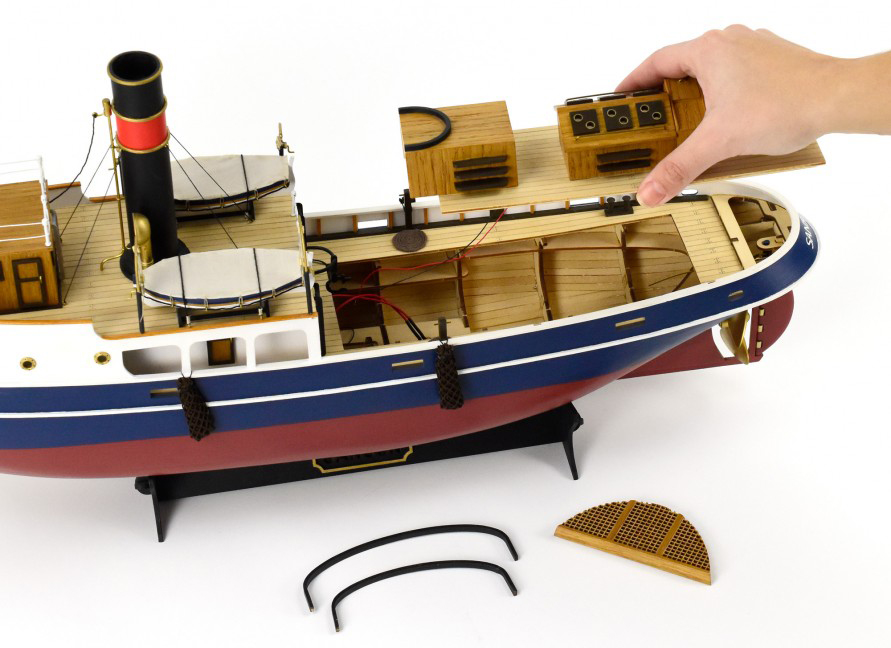 Our model has the stern deck is openable, that is, when we remove the support arches for the cables from their anchoring places, we can ‘disengage’ a part of the stern deck, access the interior of the hull to be able to work comfortably and, later, refit these parts without noticing anything unusual.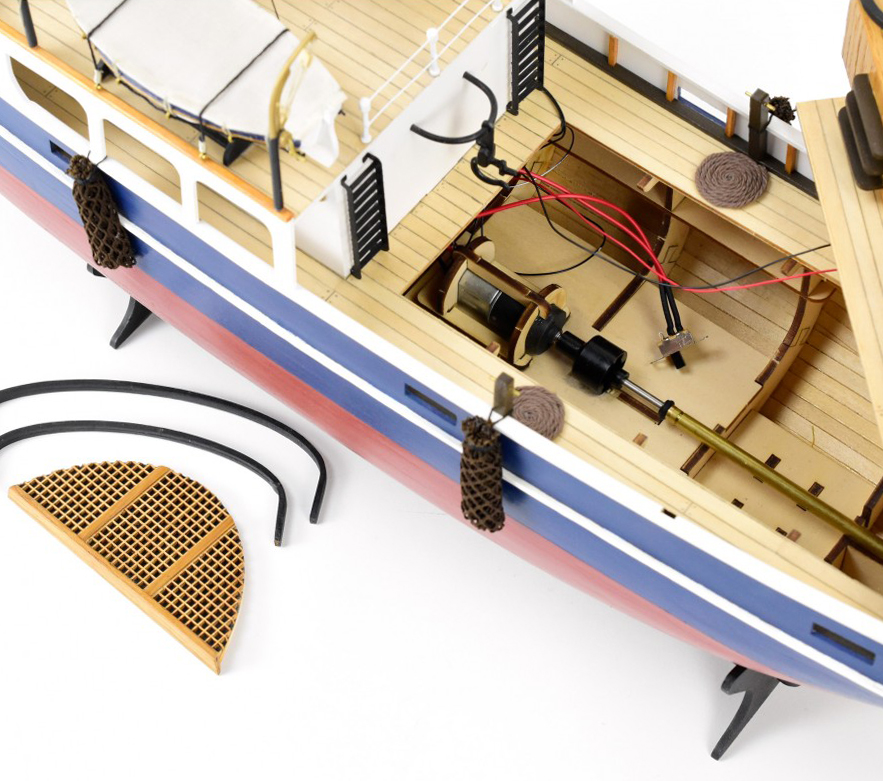
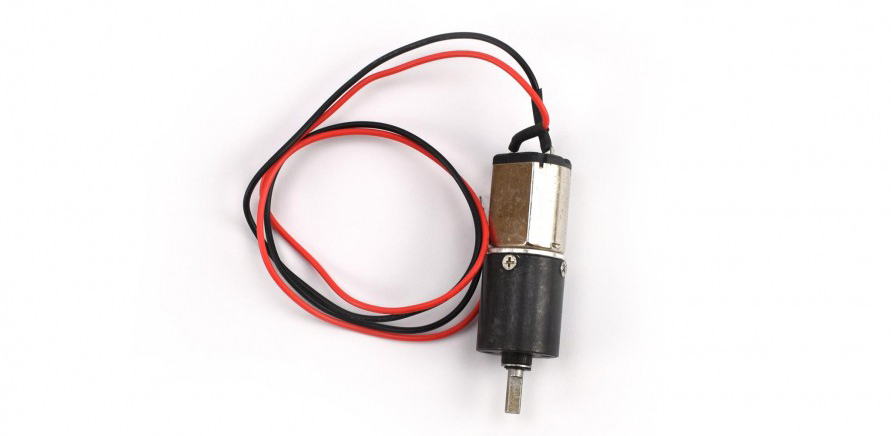
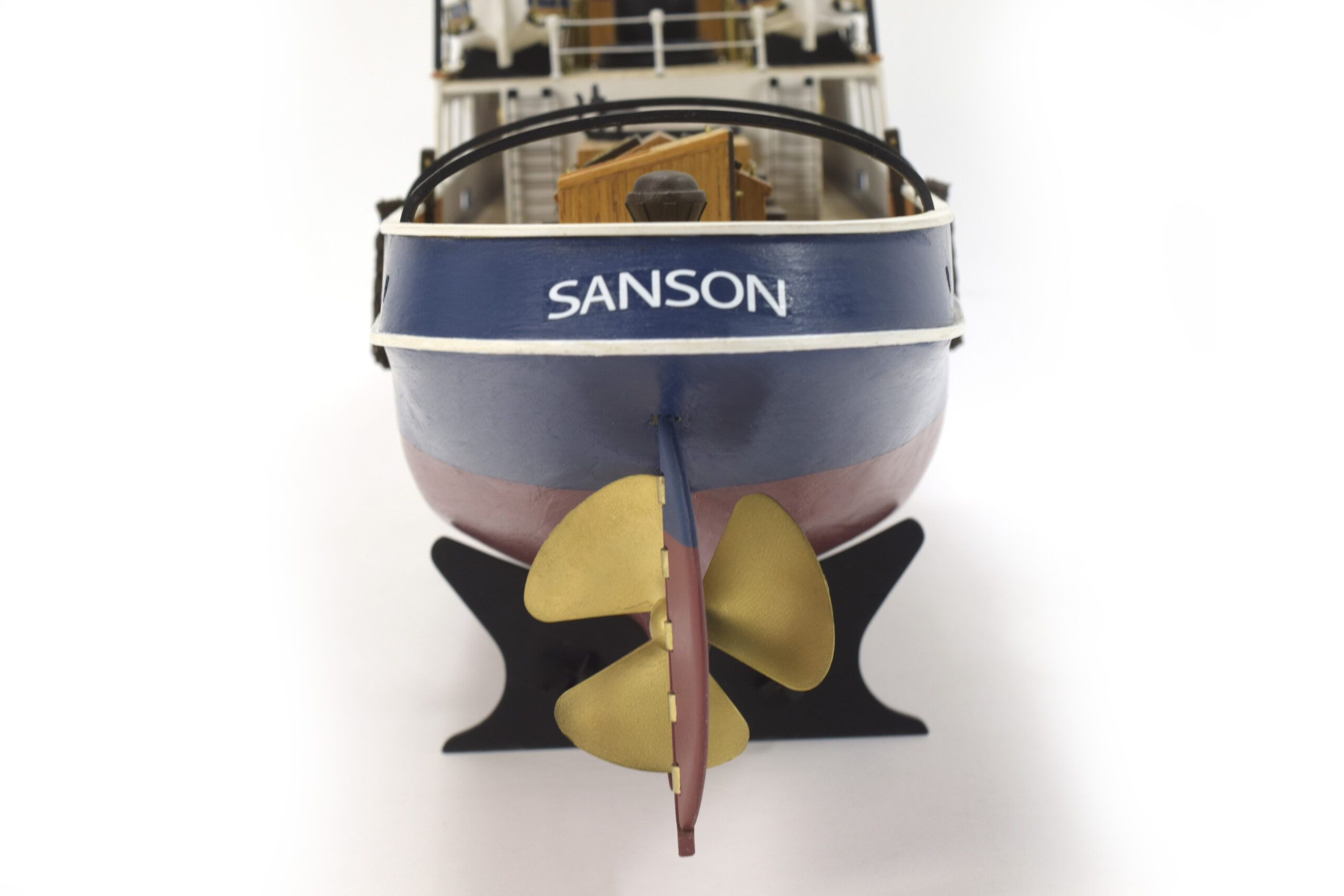
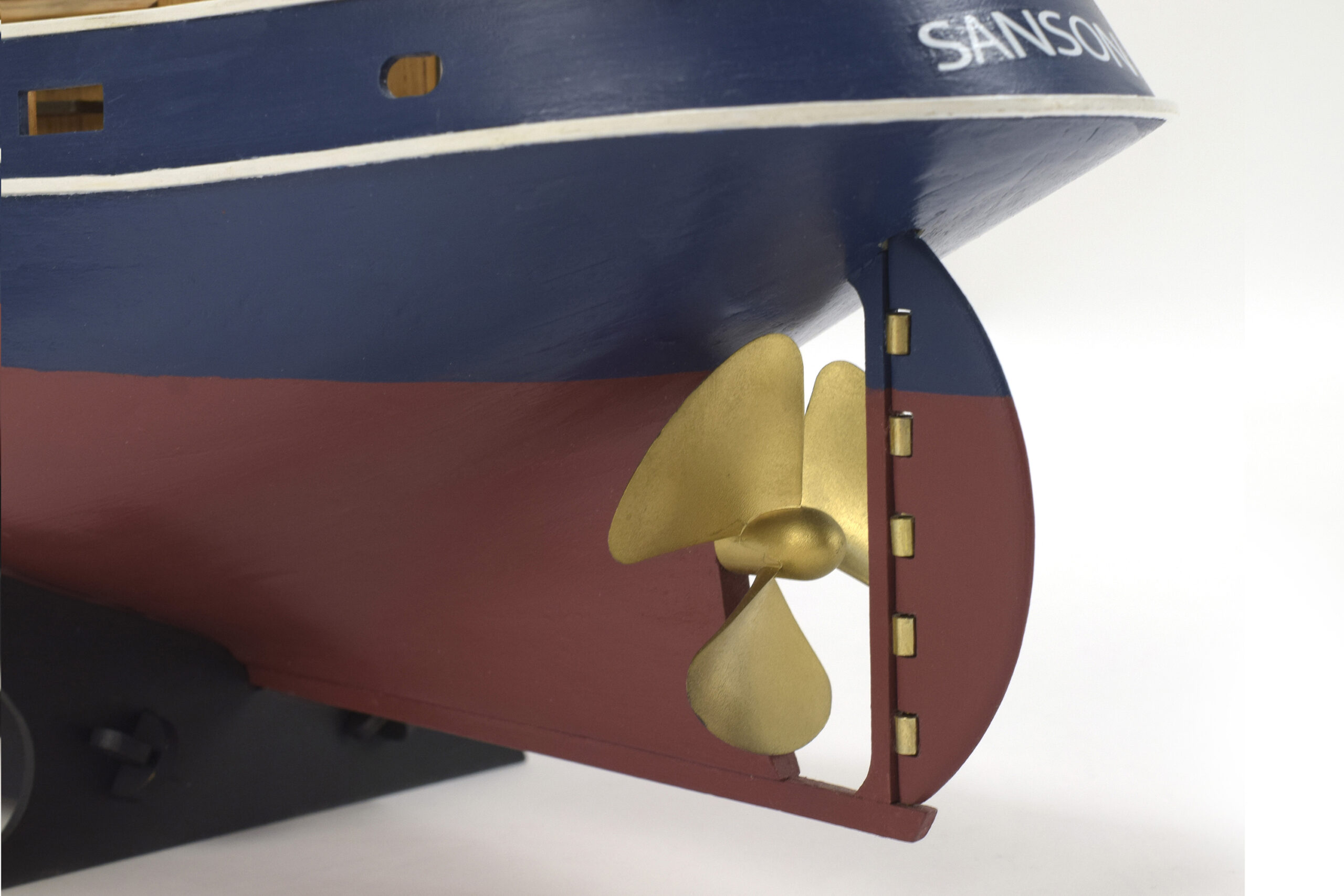
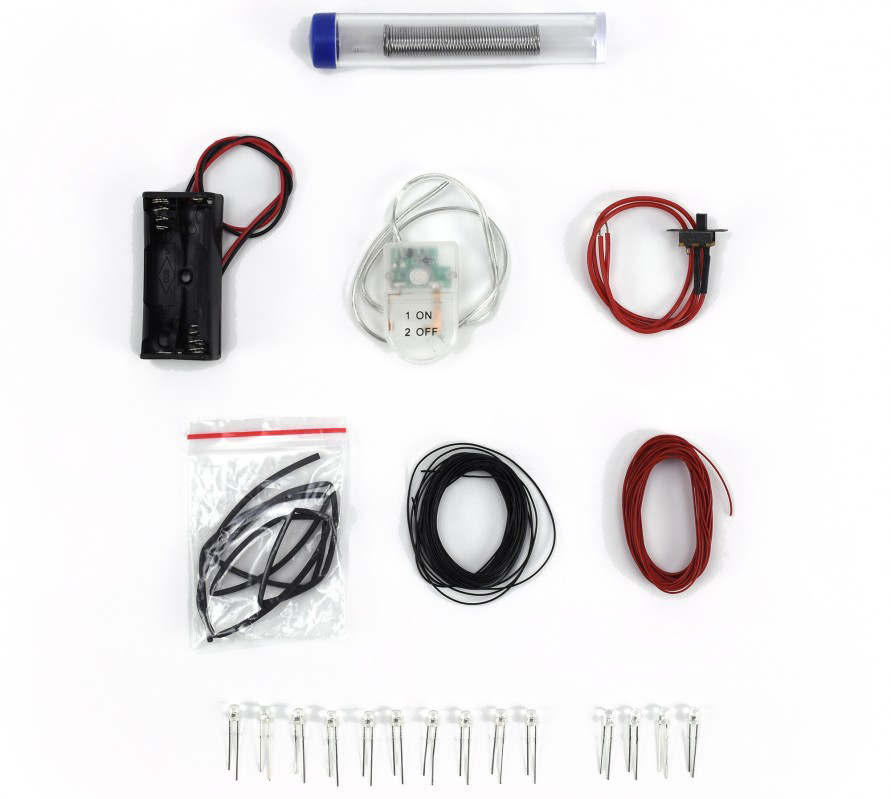
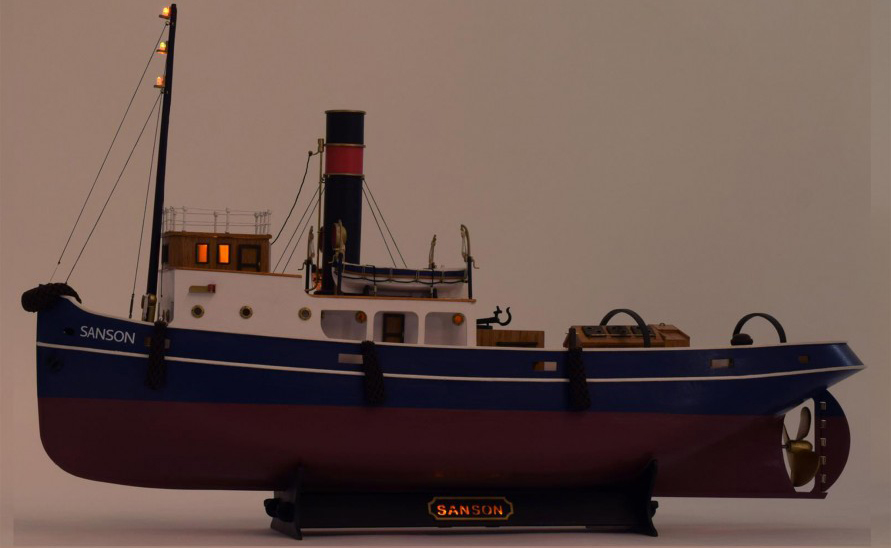
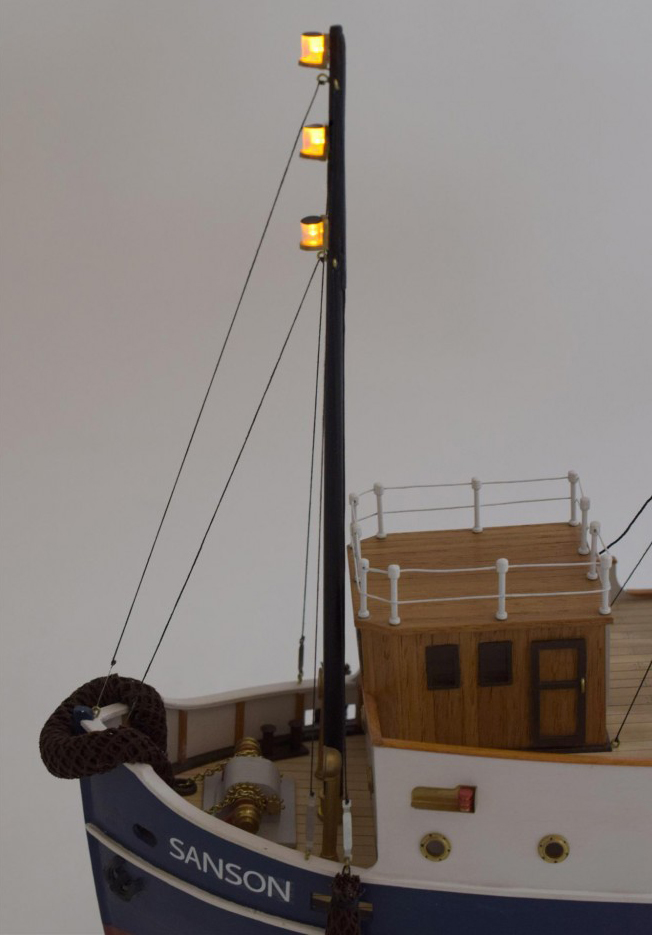
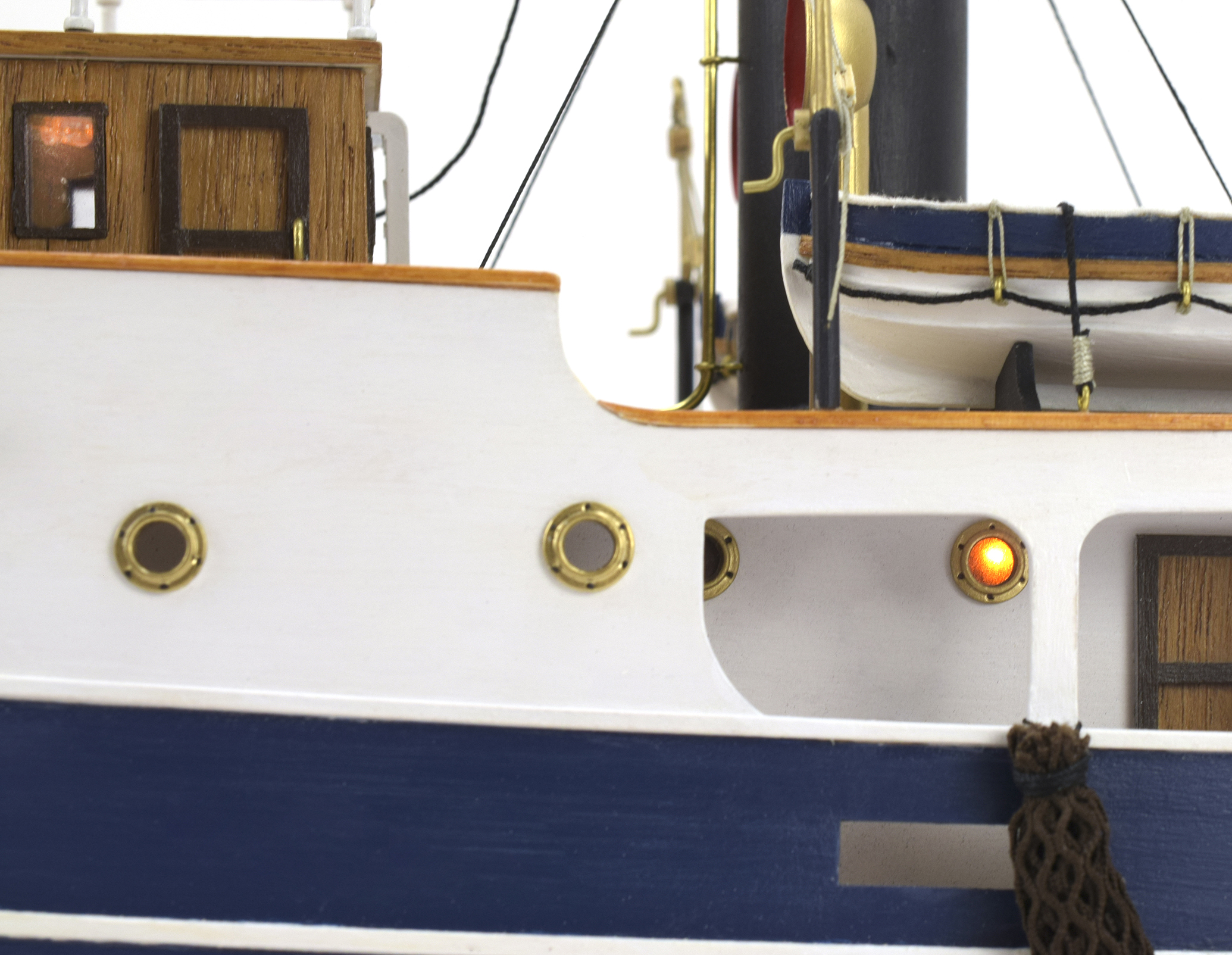
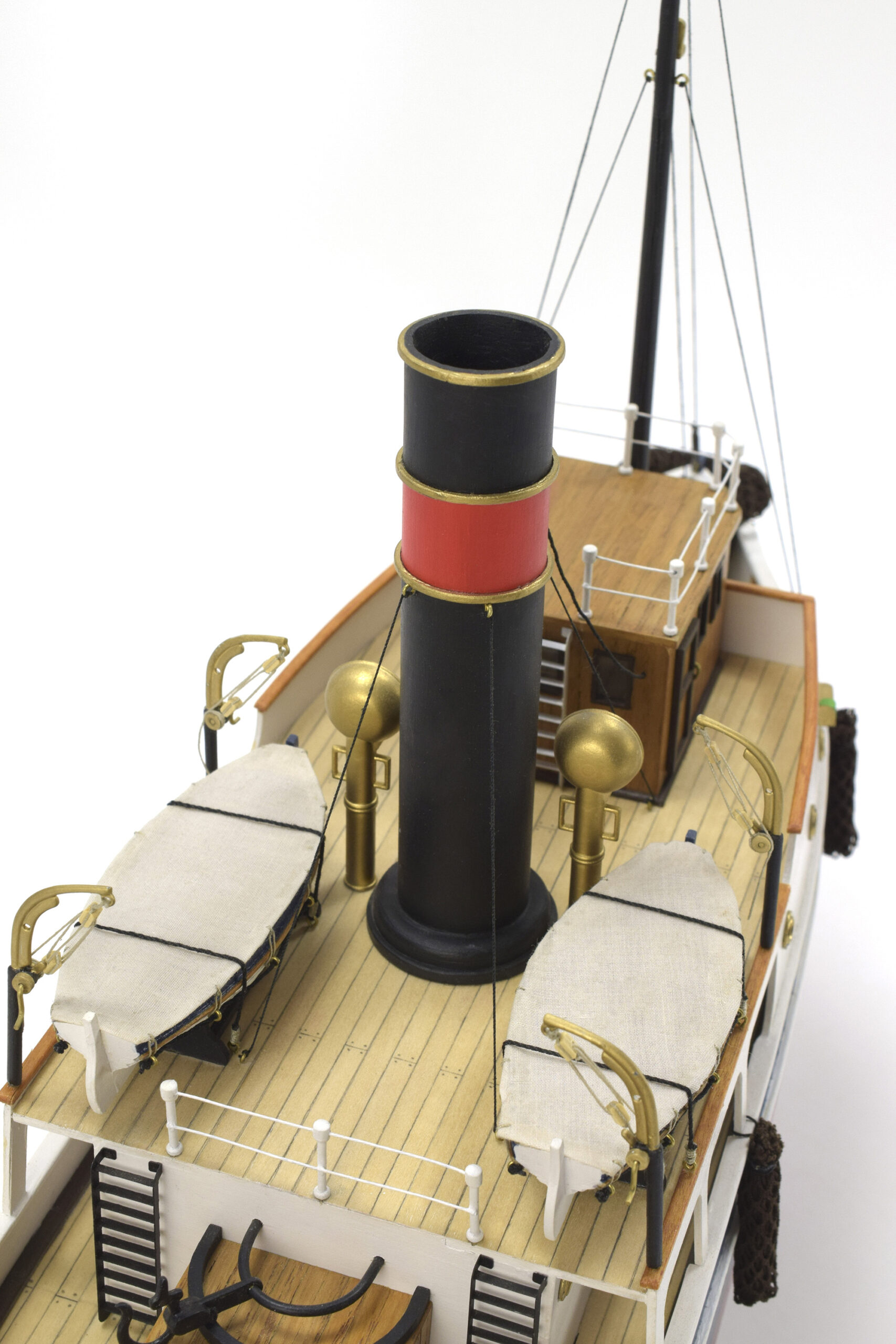
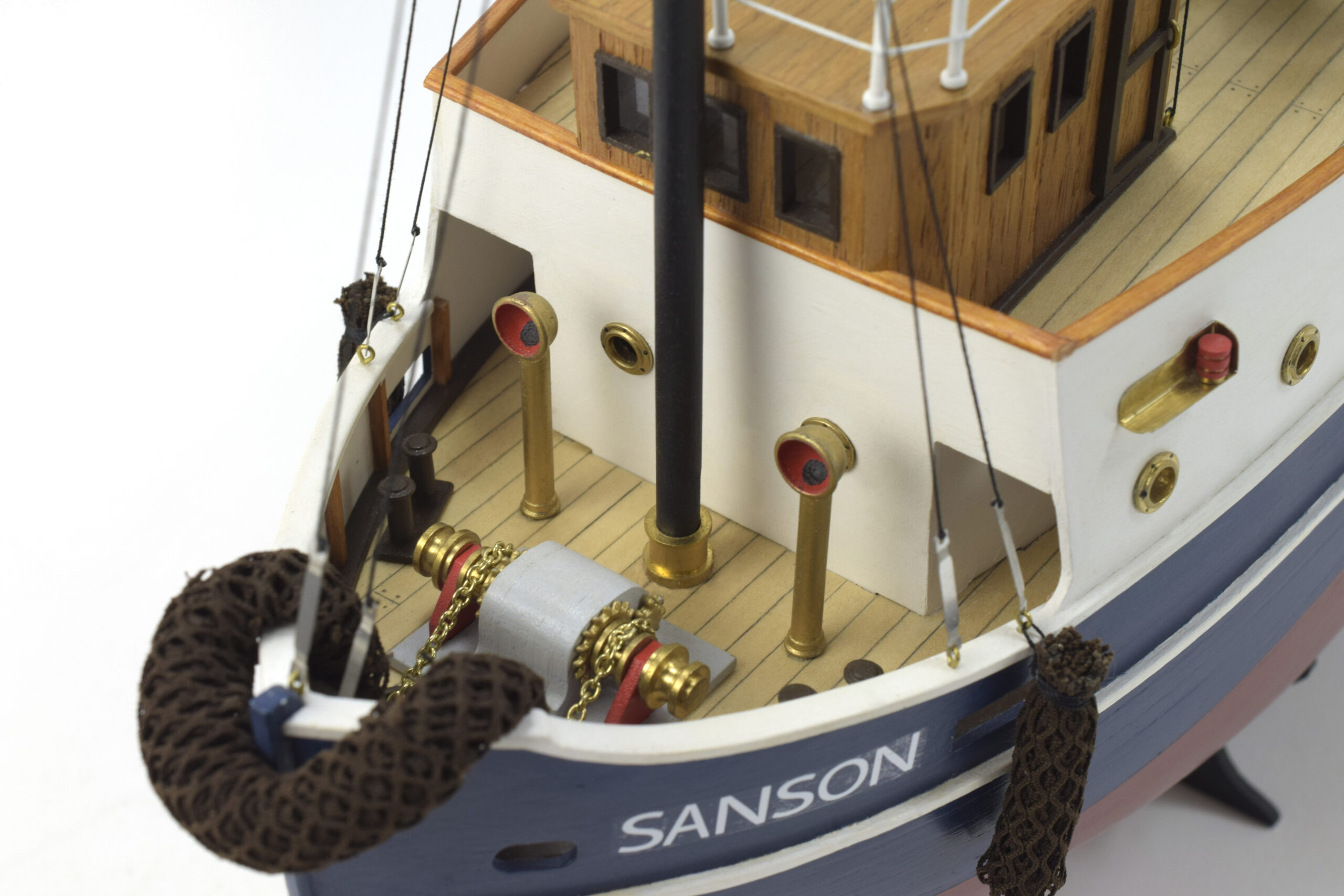
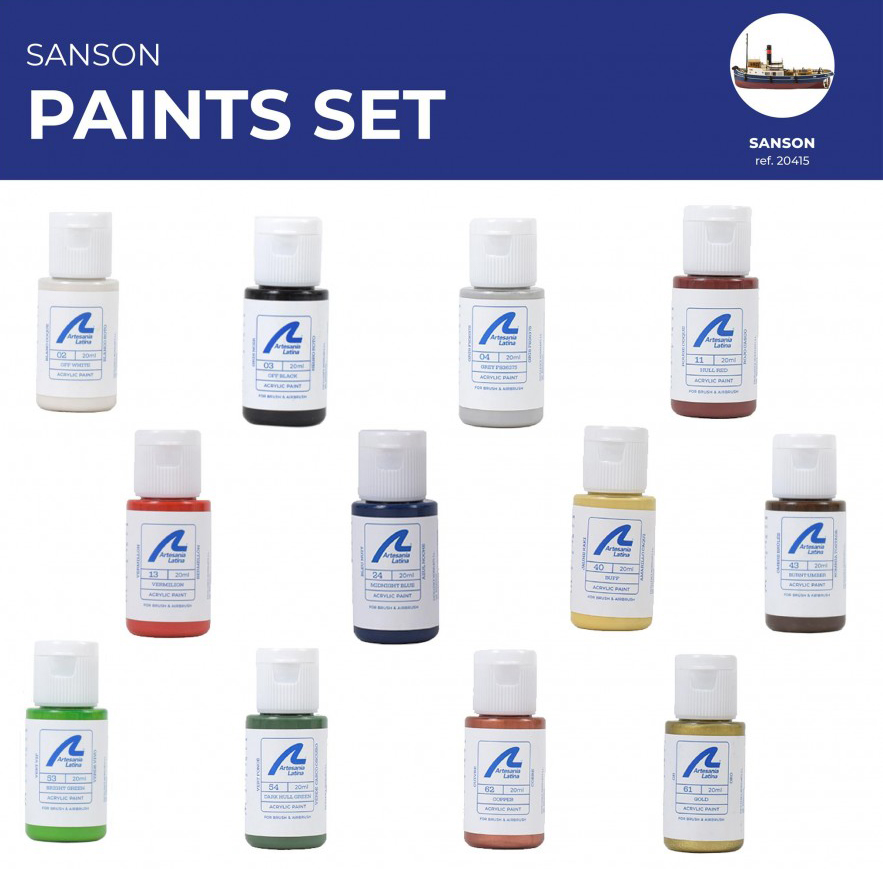
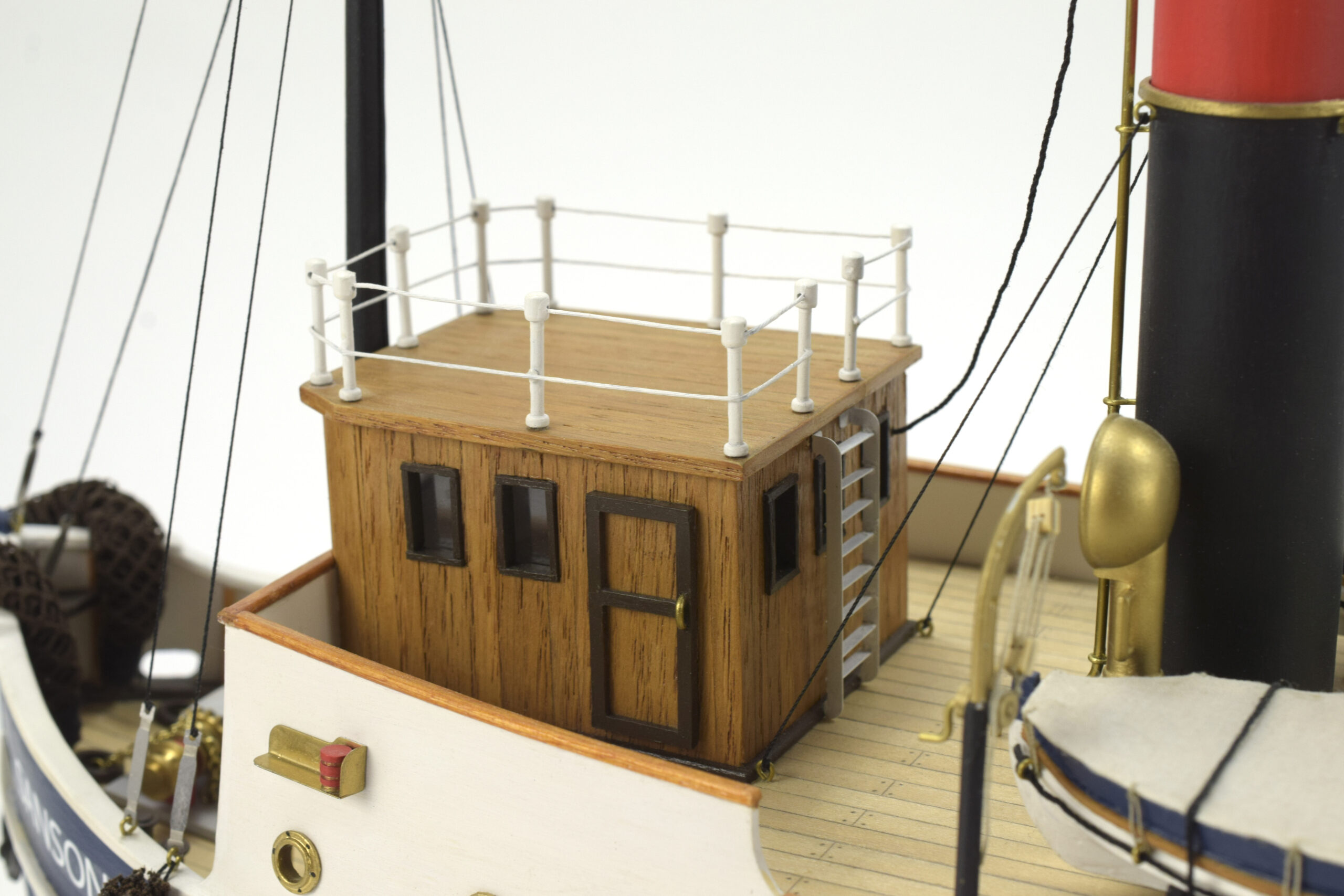
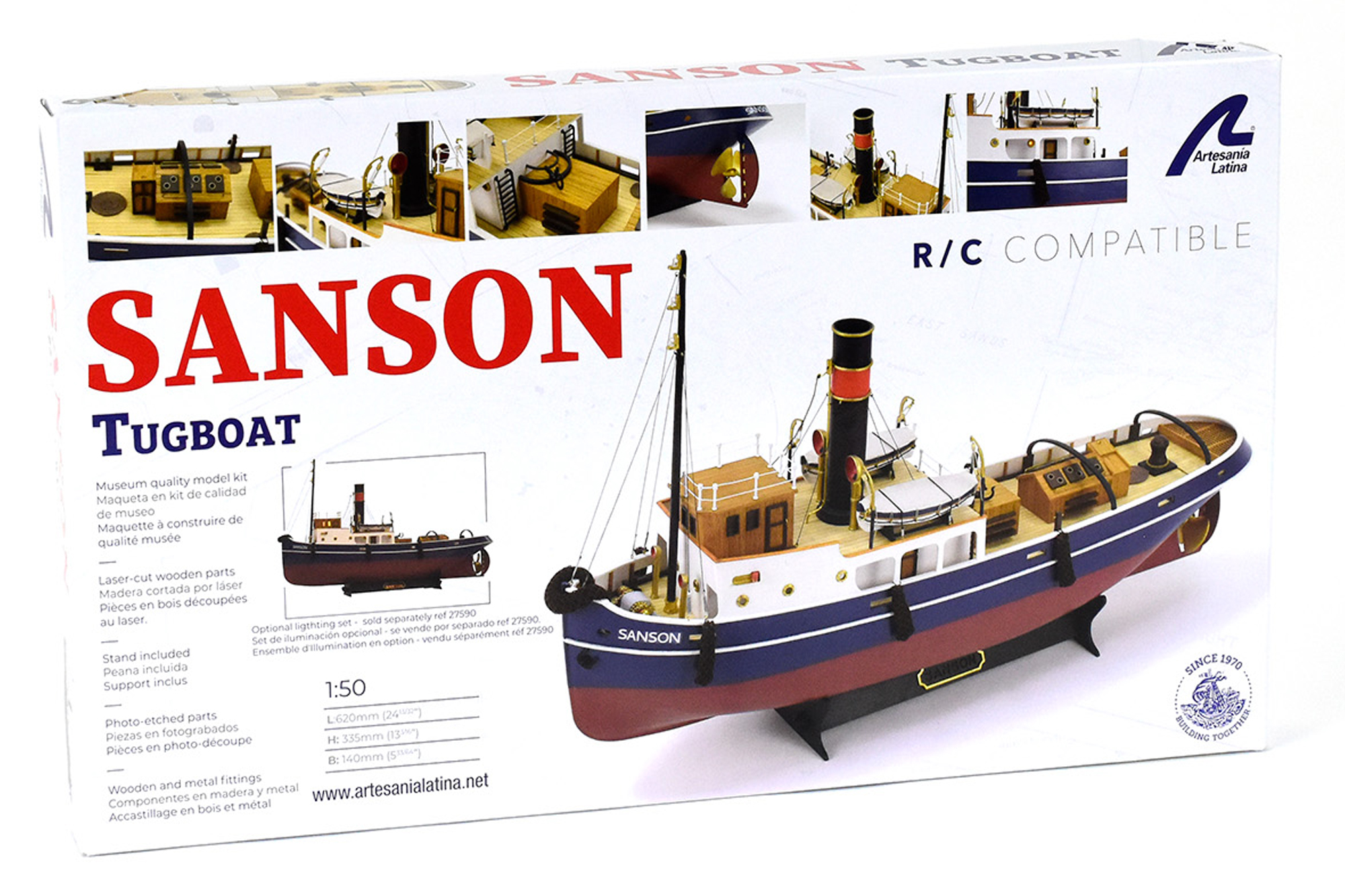 Well now… It is already at our warehouses, at your disposal! Build this beautiful and historic jewel of museum quality wooden model ship, the tugboat model suitable for R/C Sanson (20415) at 1:50 scale.